
Finding Town of East Hampton Residents
No official roll lists every current East Hampton resident. Match the record to the question. For a present address, start with the Town property tools and keep the parcel or tax-map identifier. Historic names need different material. A recorded deed, an old assessment, a newspaper item, or an archive file may say more than any current list. Jurisdiction matters too. East Hampton Village and Sag Harbor keep separate municipal identities, so a Town record and a village record are not the same thing.
Treat each result as evidence of the role shown. A deed party is a grantor or grantee, while a parcel page names an assessed owner. Neither label proves a full household. The Town recognizes five hamlets: Amagansett, East Hampton, Montauk, Springs, and Wainscott, so add the hamlet whenever similar street names or postal descriptions blur the match.
- Confirm the hamlet, postal label, and municipality for the East Hampton address or name.
- Search the Town eGov tools by address or tax-map number, then save the displayed parcel identifier and source date.
- Use the Town or Suffolk map layers to confirm the parcel and the governing boundary.
- Search the Suffolk County Clerk index by tax map, address, party name, or recorded-instrument citation.
- For an older connection, compare dated library, newspaper, map, census, or genealogy material before drawing a conclusion.
Every East Hampton lookup needs a place and a date.
Note: Record the exact jurisdiction and date with each result, because the same postal name can point to different record custodians in East Hampton.
Town of East Hampton Jurisdiction Checks
East Hampton research begins with place names rather than a ZIP code. The Town includes five named hamlets. East Hampton Village is incorporated and sits within the broader Town. Sag Harbor is a separate village. Its 11963 postal area even crosses into Southampton Town. So a mailing line that says East Hampton or Sag Harbor is not enough to place a record with the Town.
Normalize the address with the Town hamlet list beside the Town map collection. The maps add Town-wide, zoning, district, and village-boundary context. They are not a substitute for the parcel record. For an unclear result, compare the map label, the tax-map identifier, and the agency named on the record.
Town of East Hampton Address Search
The Town Assessor keeps the annual assessment roll, ownership records, property inventory, district mapping, and the current E-911 street-address database. Its eGov portal offers three entry routes. Search by Address, Tax Map Number, or Bill Number. That makes an address the best start. When the aim is to anchor a name to a specific East Hampton parcel rather than a broad postal place, the address route goes straight to the record.
The eGov instructions carry a useful local quirk. For an address search, enter the house number and street name without the street suffix, then review the candidate parcel before continuing. Tax-map searches follow a stricter pattern. Use the SWIS code plus the section, sub-section, block, lot, sub-lot, and suffix pattern taken from the bill. Zeros can be omitted. Once the right record appears, preserve the full official address and the complete tax-map value.
| East Hampton eGov route | Fields to enter | Useful result | Careful use |
|---|---|---|---|
| Address | House No and Street, without suffix | Candidate parcel and tax details | Confirm hamlet and municipality |
| Tax Map Number | SWIS plus section, sub-section, block, lot, sub-lot, suffix | Exact parcel anchor | Use the value shown on the tax bill |
| Bill Number | Bill number | Tax bill or receipt route | Keep the displayed source date |
The Town eGov portal shows the address and tax-map entry points used for an East Hampton residents directory search. The search form is the official route.
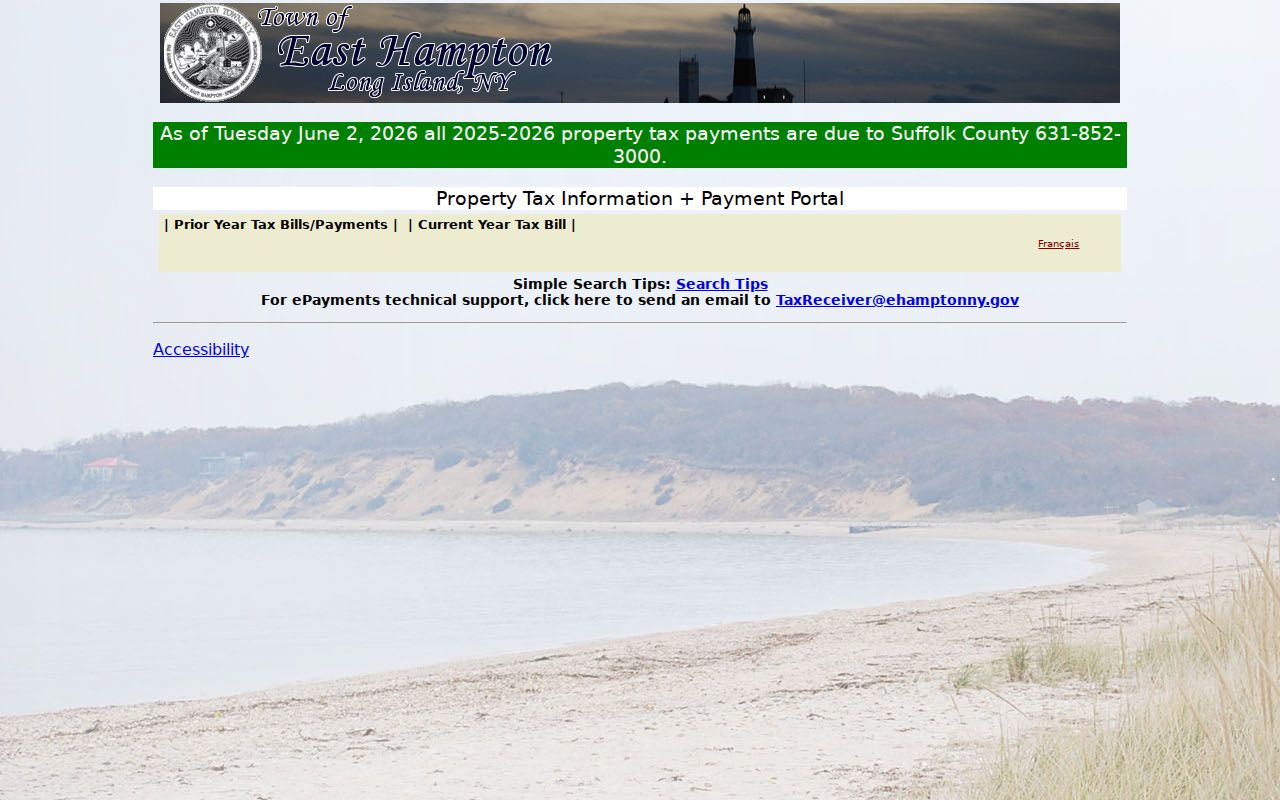
An address search leads to a property record, not a list of everyone tied to that address. Save the parcel key first. Then compare records by their dates and stated roles.
Town of East Hampton Deed Index
The Suffolk County Clerk holds the county-level land trail. Recorded instruments tie parcels to owners over time. Per the Clerk, land records have been recorded and imaged online from 1987 to the present. The online kiosk is broad. It covers deeds, mortgages, liens, judgments, filed maps, naturalization indexes, and other record families. Searching the index is free. Image viewing or certified copies may be a separate paid step.
A name search offers the most control. Enter a last name or corporation, add an optional first name and suffix, set a date range, and choose starts-with, contains, or exact matching. Tax-map search takes House Number, Street Name, and ZIP. Deed index results can show the liber, page, document type, grantee, grantor, date received, notations, and document options.
Never relabel a mortgagee or lien claimant as an owner; open the Suffolk County Clerk kiosk and let the instrument itself answer the East Hampton residents directory land-record question.
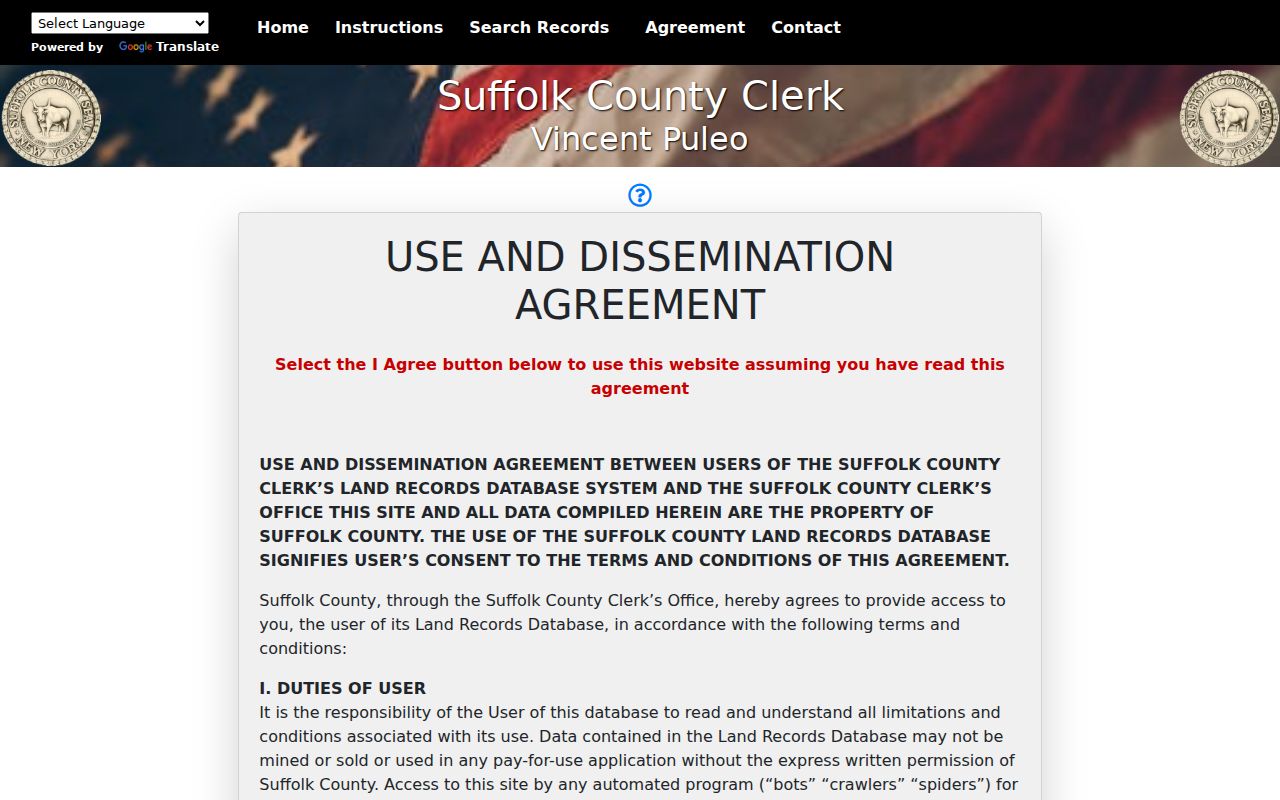
The kiosk gives a dated index trail. An index row is only a summary. When a claim depends on the instrument text, inspect the image or request the official copy through the Clerk rather than trusting the result row alone. Older records live elsewhere.
Note: Online imaging begins in 1987, so older East Hampton ownership questions may require deed books, filed maps, assessment rolls, library material, or a direct Clerk request.
Town of East Hampton Records Offices
Different East Hampton records sit with different custodians. The Assessor supplies the parcel and street-address framework. The Suffolk County Clerk holds the recorded land trail in Riverhead. Election records follow a state process. The Town Clerk routes local marriage and records-access matters, so start with the office that owns the record instead of asking one office to confirm every part of a name or address.
Town Assessor
300 Pantigo Place, Suite 108
East Hampton, NY 11937
631-324-4187
Suffolk Board of Elections
Yaphank Avenue, PO Box 700
Yaphank, NY 11980-0700
631-852-4500
The Town Clerk keeps local marriage-license transcripts at Town Hall, 159 Pantigo Road. A copy costs $10. Identification is required. An eligible spouse, an official agency, or a person with a judicial or proper purpose may request one. So the record is not open to casual browsing. For a residents directory purpose, the Town transcript route works best as a historical connection source. It is not a general household list for East Hampton.
Town of East Hampton FOIL Route
Some East Hampton records simply are not posted online. When that happens, the Freedom of Information Law route is the documented fallback. New York FOIL sits in Public Officers Law Article 6, §§84–90. East Hampton's local ordinance names the Town Clerk as the records-access contact. Written requests can go by email, mail, or fax. The online form asks for a record description. It also accepts an address or SCTM number, contact details, and a department choice such as Building, Planning, Clerk, Assessor, IT/GIS, or Tax Receiver.
The Town ordinance sets a five-business-day response window. It permits privacy redaction and advance fee estimates, and allows an appeal to the Town Supervisor within ten business days. Copies up to 8.5 by 14 inches cost 25 cents per page. Describe the record precisely. Name the record type, period, property identifier, or department file you want. That gives the custodian a usable request. It avoids dressing a broad address search as a demand for private material. A well-formed ask usually moves faster than a vague one.
Use the Town FOIL request form for the department-specific submission route. Then keep the request date, the record description, the response, and any redaction or fee notice. That paper trail is what makes an appeal possible if one is ever needed.
Town of East Hampton Voter Search Limits
New York's official voter lookup is an individual form. It is not a browsable residents directory. The form asks for County, Last Name, First Name, Date of Birth, and ZIP Code. Suffolk is the county selection for Town of East Hampton research. A missing result can reflect a wrong field, timing, protection, or another limit. So a null answer does not settle a person's status or address. The New York voter lookup shows the five fields required before a search is submitted.
Statewide or multidistrict voter data follows a different path. It is requested through the New York State Board of Elections FOIL process. It requires an elections purpose under Election Law §3-103. The state says plainly that those records are not for non-election purposes. Protected voter information carries separate restrictions on top of that. Keep any voter form result within the purpose and limits stated by the election authority. Treat it as one record rather than a resident lookup shortcut for East Hampton.
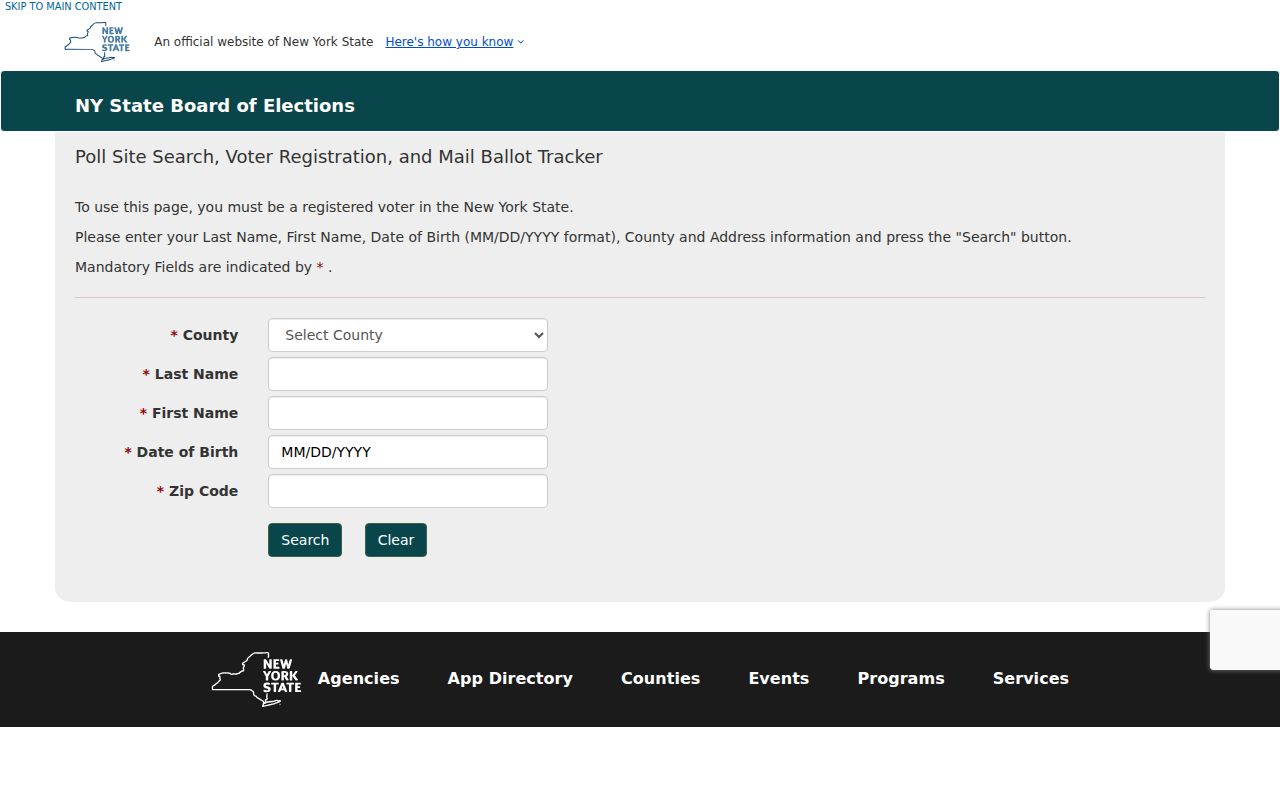
A voter result is a purpose-limited, person-specific reference. Use it for what it answers, never as permission to build a roster or reconstruct a protected address in East Hampton.
Current Town of East Hampton Directories
Current East Hampton resident information sits in records with different scopes. It is not one master list. The parcel route answers an ownership or property question. The County Clerk index shows recorded legal roles. The voter form needs identifying fields plus an allowed use. Court, license, and state claim systems answer narrower questions and may omit restricted matters. So read every result with its source title, date, and access condition attached.
| East Hampton source | What it can establish | Custodian | Access route |
|---|---|---|---|
| eGov property route | Parcel and tax-bill context | Town Assessor and Tax Receiver | Address, tax-map, or bill search |
| County land index | Recorded grantor, grantee, and instrument roles | Suffolk County Clerk | Free index; image or copy route varies |
| Individual voter form | Person-specific election lookup | New York State Board of Elections | County, name, date of birth, and ZIP |
| Professional verification | License status and listed professional information | New York State Education Department | Online verification search |
| Town FOIL request | Non-posted Town records, subject to exemptions | Town Clerk | Written request with record description |
When the question concerns one named person rather than a parcel, the East Hampton resident lookup page lays out the dates, roles, and corroboration approach. A shared surname or postal line is not enough to resolve a match.
Town of East Hampton Tools Compared
Official sources usually answer one narrow question well. A property page may anchor an address. A state genealogy request may be the proper path for a historical vital event. The contrast matters in East Hampton. Every source carries its own identifiers, timing, eligibility rules, and record date. Use the right route. Do not force a convenient database to prove more than it shows.
| Question | Best official route | What to retain |
|---|---|---|
| Which parcel matches an address? | Town eGov and GIS | Tax-map ID, municipality, source date |
| Who signed a recorded instrument? | Suffolk County Clerk index | Role, document type, received date, liber or page |
| Is a professional credential current? | NYSED verification | Profession, registration status, original date |
| Could a deceased owner have a state claim? | New York unclaimed funds | Claim route and relationship proof requirements |
The NYSED online verification searches cover licensed professions. Results can display license number, location, original date, registration status, and discipline summaries.
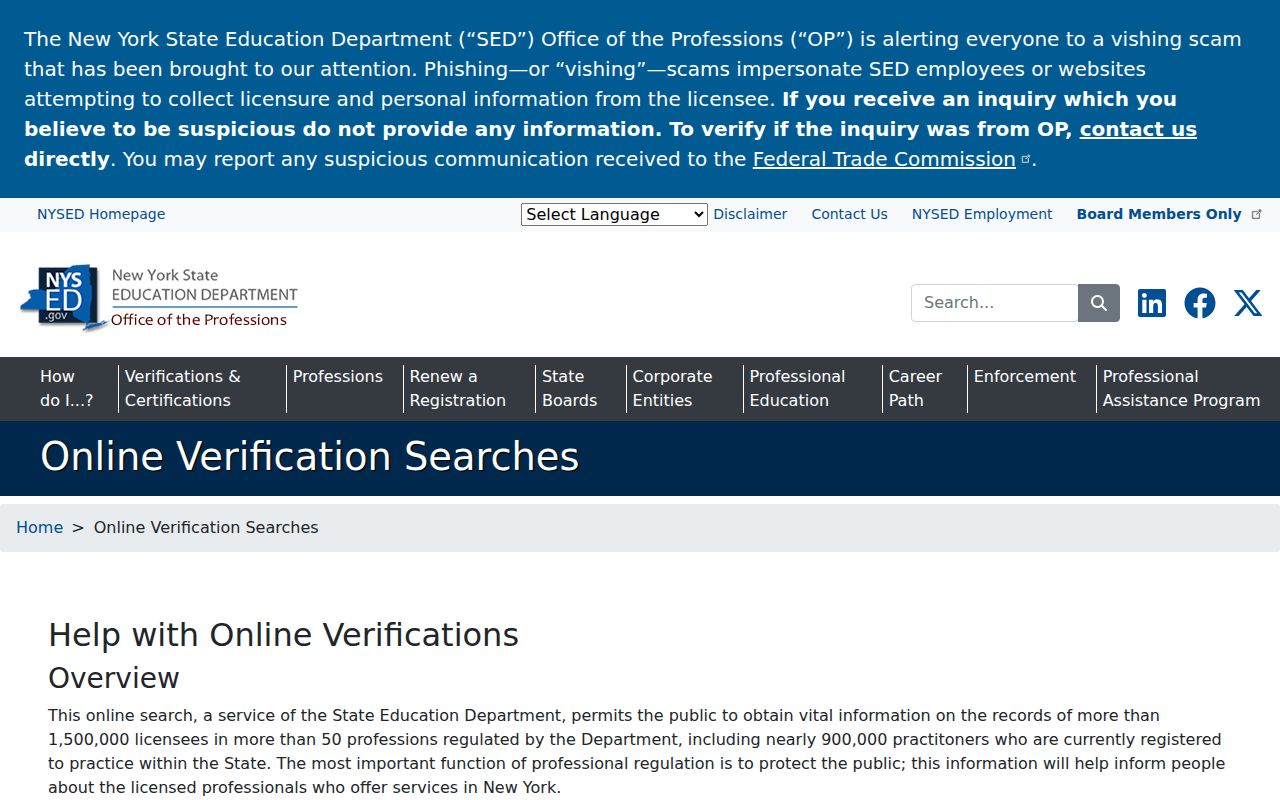
A license verification can confirm a credential record. Cite it as a license record. Do not stretch it into an unsupported current-residence statement about East Hampton.
Note: The Town lists a $10 local marriage transcript, while the State genealogy schedule starts at $22 for a one-to-three-year search, so the correct route depends on the record and eligibility.
Historical Town of East Hampton Directories
East Hampton's historical directory evidence is a shelf of sources. It is not one confirmed continuous city-directory run. The East Hampton Library's Long Island Collection holds deeds, wills, genealogies, newspapers, maps, diaries, photographs, architectural material, and oral histories. Its research guides point to town records, family genealogies, local-history books, maps, and newspaper research. A name pulled from any item still needs its year. It also needs the page or image, and the exact role it records.
The local newspaper and yearbook archive starts in 1881. The 1955 East Hampton Village property map is another address clue. It shows owners by block across 15 double-page sheets. It covers the Village only. There is no master index. The full collection trail, including how to read these dated materials, belongs on the East Hampton city directories page.
- Parcel
- A tax-mapped unit of real property used to connect an address, map, and recorded land trail.
- Index
- A finding tool that points to a record; it is not always the record image or a certified copy.
- Grantor and grantee
- The party transferring an interest and the party receiving it in a recorded instrument.
- Criss-cross directory
- A reverse address arrangement that can help trace a past address when a collection actually supplies one.
Town of East Hampton Record History
East Hampton dates to 1648. Suffolk County followed in 1683, one of the twelve founding counties of the Province of New York. A Town of East Hampton residents directory question from that era rarely lands in a single register. The records sit scattered across custodians instead. The Town Trustees point researchers to the library, and its named holdings justify the trip. They include early deeds, diaries, account books, genealogies, whaling voyage papers, the 1665 Book of Laws, and the 1685 Indian Bible.
The nineteenth century left rich traces too. Hedges published his town history in 1897. The local newspaper archive begins in 1881. Sanborn sheets from 1909 document the built environment. A 1955 Village property map adds a block-level owner snapshot. For county land records, the Clerk's online images start in 1987, which makes later deed searches far easier. Every source speaks from its own date. Read each one as evidence with a stated role and place, not as a household's full story.
Note: Older Town of East Hampton records work best when the publication date, page or image, municipality, and record type stay attached to the name.
Town of East Hampton Genealogy Routes
A family-history question about someone deceased usually fits New York State's genealogy rules. It may fit those rules better than a current residents directory search. The state opens birth records after 75 years when the person is known dead. Deaths open after 50 years. Marriages open after 50 years once both spouses are known dead. Direct-line descendants can sometimes reach earlier records with proof of relationship and death. State processing may run eight months or longer. The local registrar is often the faster first call. The New York genealogy program page lays out the access windows. It also covers ordering rules and graduated search fees.
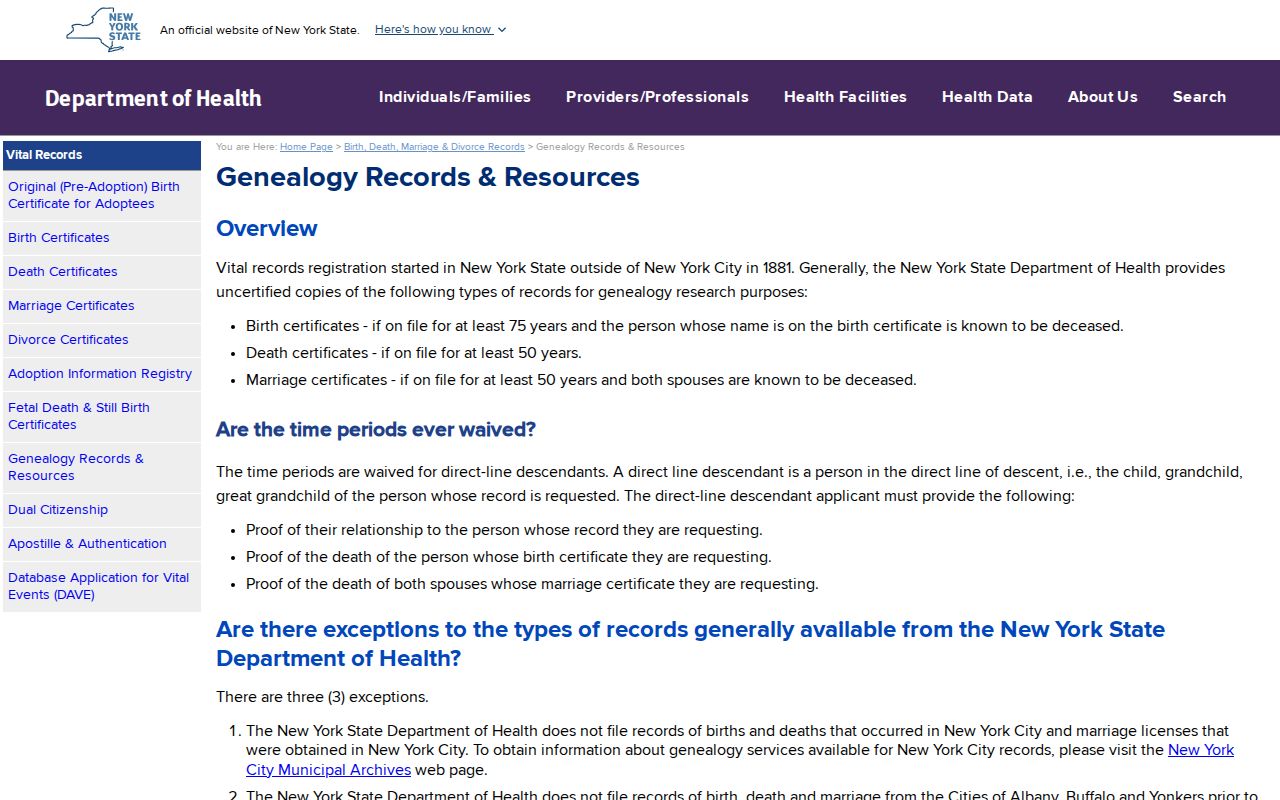
The application form requests a record type, event facts, relationship or capacity, requester details, delivery instructions, and a signature. Some requests also need a death statement. The form bars vital-record copies for commercial purposes.
Town of East Hampton Records Split
East Hampton spreads its records across Town eGov, ArcGIS, OpenGov, the Suffolk County Clerk kiosk, and Town FOIL. Several state systems hold more of the split. Each route carries its own fields, coverage, and update timing. That split is a search quirk, not a puzzle the reader should solve with guesses. One timing gap matters for recent transfers. The Clerk's HOWL property alert is free. It can trail a new deed by eight to ten weeks. The recorded instrument and its received date remain the better evidence.
New York's unclaimed-funds search offers another narrow but official name route. Anyone can search a person or business name for free. Heirs and deceased owners qualify with proof.
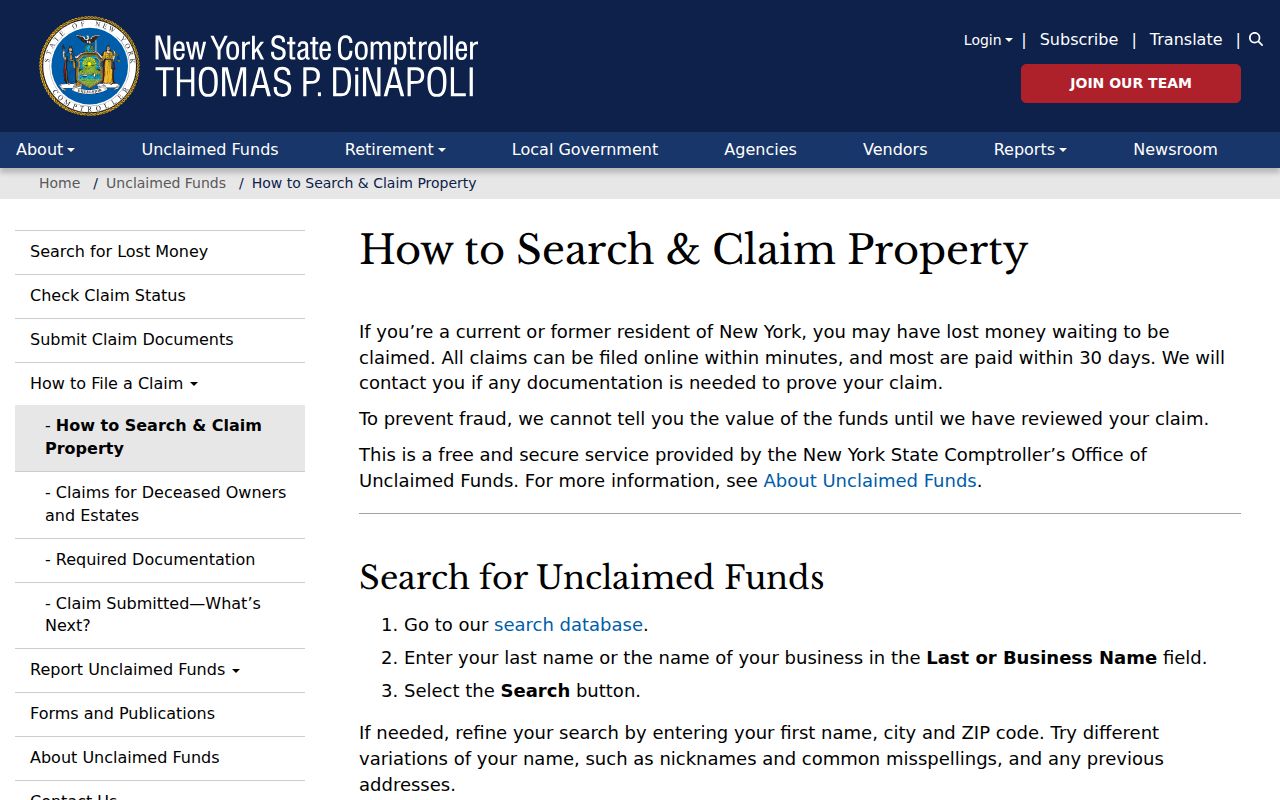
Unclaimed funds can open a genuine heir inquiry. A hit is not proof of identity. Keep the claim process, the relationship evidence, and the source date separate from any address record you already hold.
Two agreeing records beat one.
Note: An East Hampton result is strongest when two independent, dated records agree on the place and the role each custodian shows.